


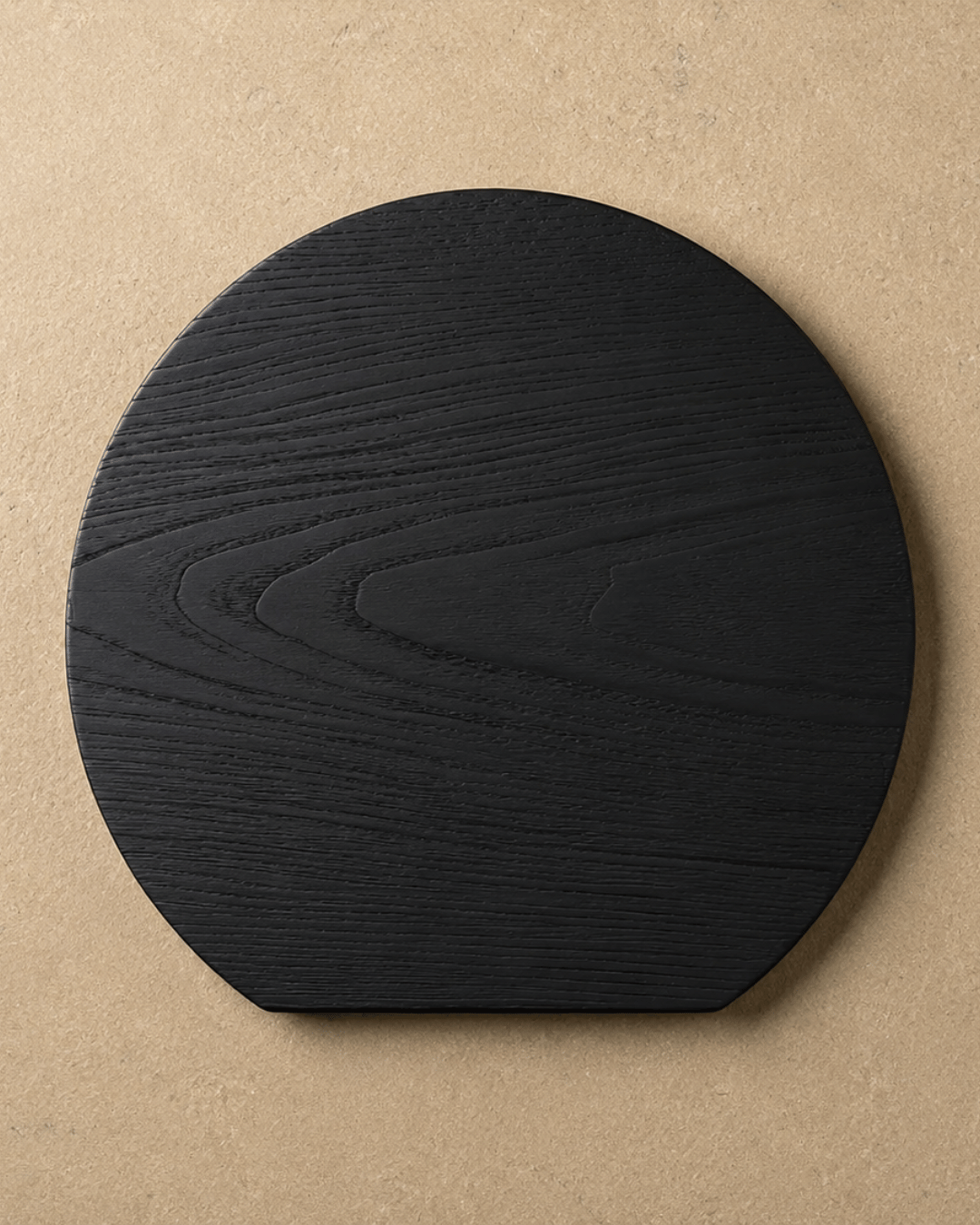
Don't take our word for it. Watch the board do the work.
Four things people ask before they buy - answered in a few seconds each.
The Proof
The Water Test
Same water. Same pour. Completely different result.
Regular Wood
Absorbs. Stains. Warps.
Water penetrates the surface, carrying bacteria deep into the grain where cleaning can't reach.
ARTSN — Fire-Treated
Repels. Beads. Protects.
Water can't penetrate the charred carbon surface. It beads into perfect spheres and rolls away. No staining. No bacteria entry.
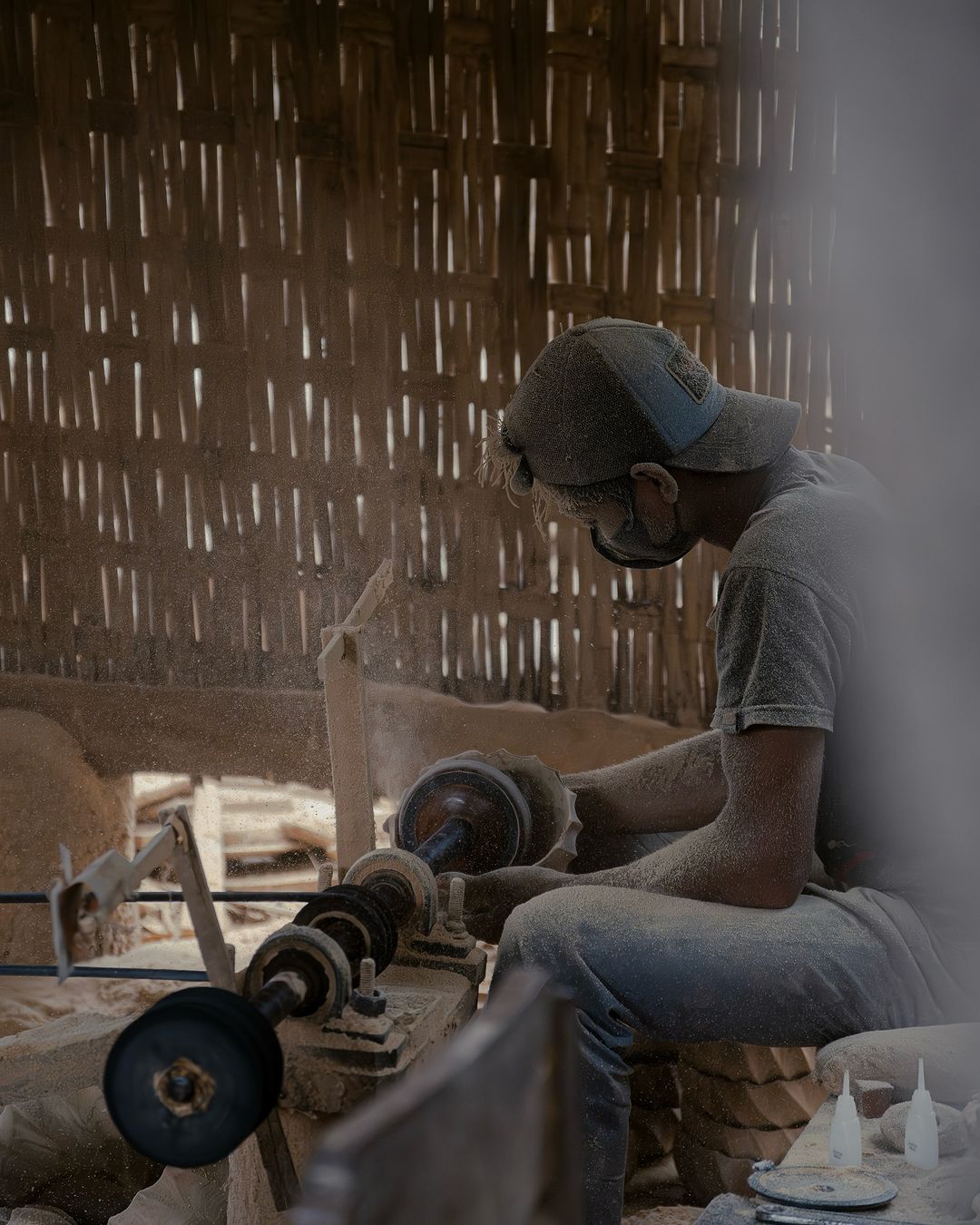
Our Story
Our limited collection of handcrafted, Japanese-inspired cutting boards have been created in partnership with skilled artisans—real people dedicated to crafting products that bring connection, functionality and beauty to your kitchen.
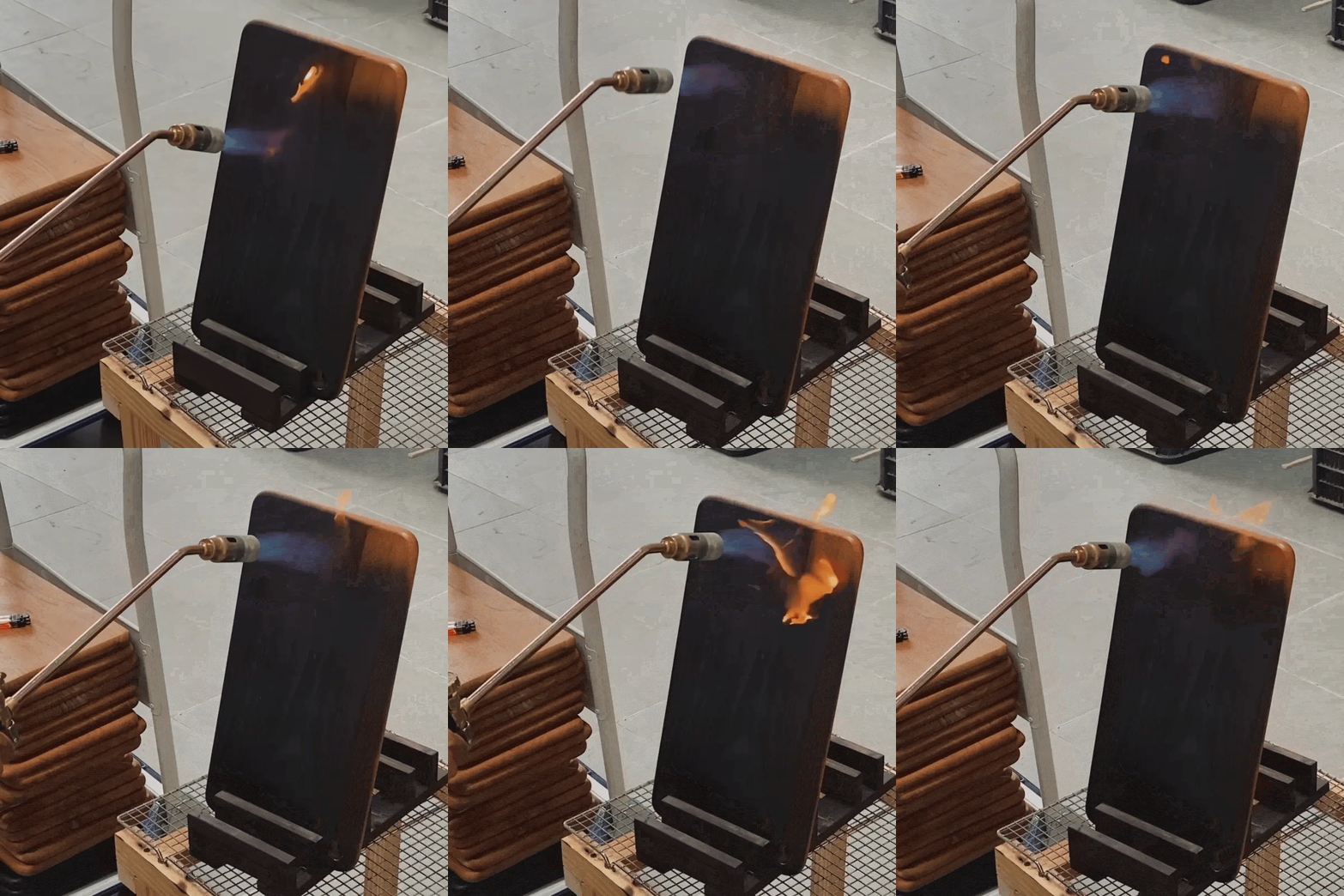
Shou Sugi Ban
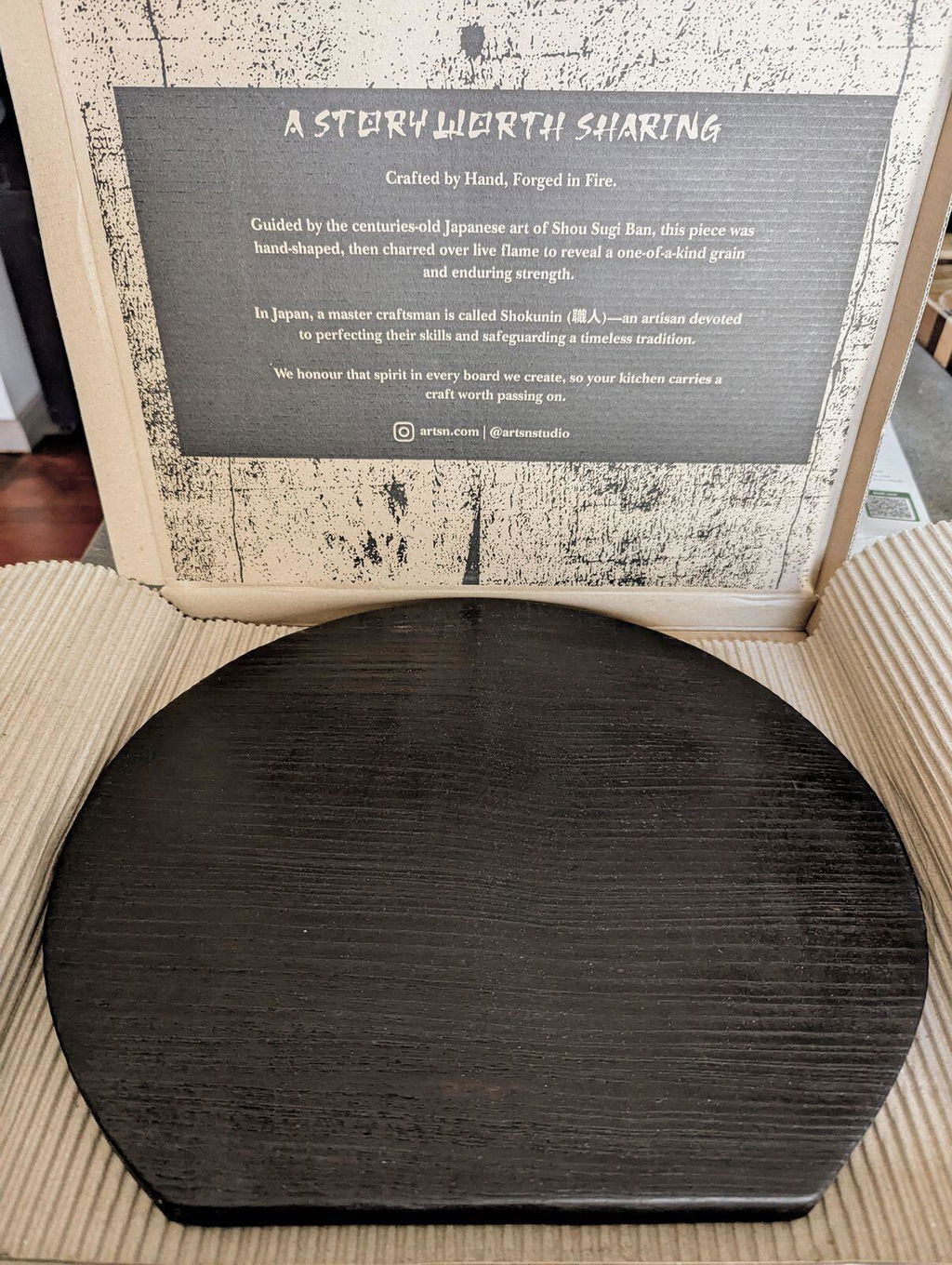
Shou Sugi Ban, a traditional Japanese wood preservation technique, involves carefully charring the surface of wood to enhance its durability and beauty.
This age-old technique not only enhances the aesthetic appeal but also ensures that our cutting boards are exceptionally durable, hygienic, and ideal for the demands of modern kitchens.
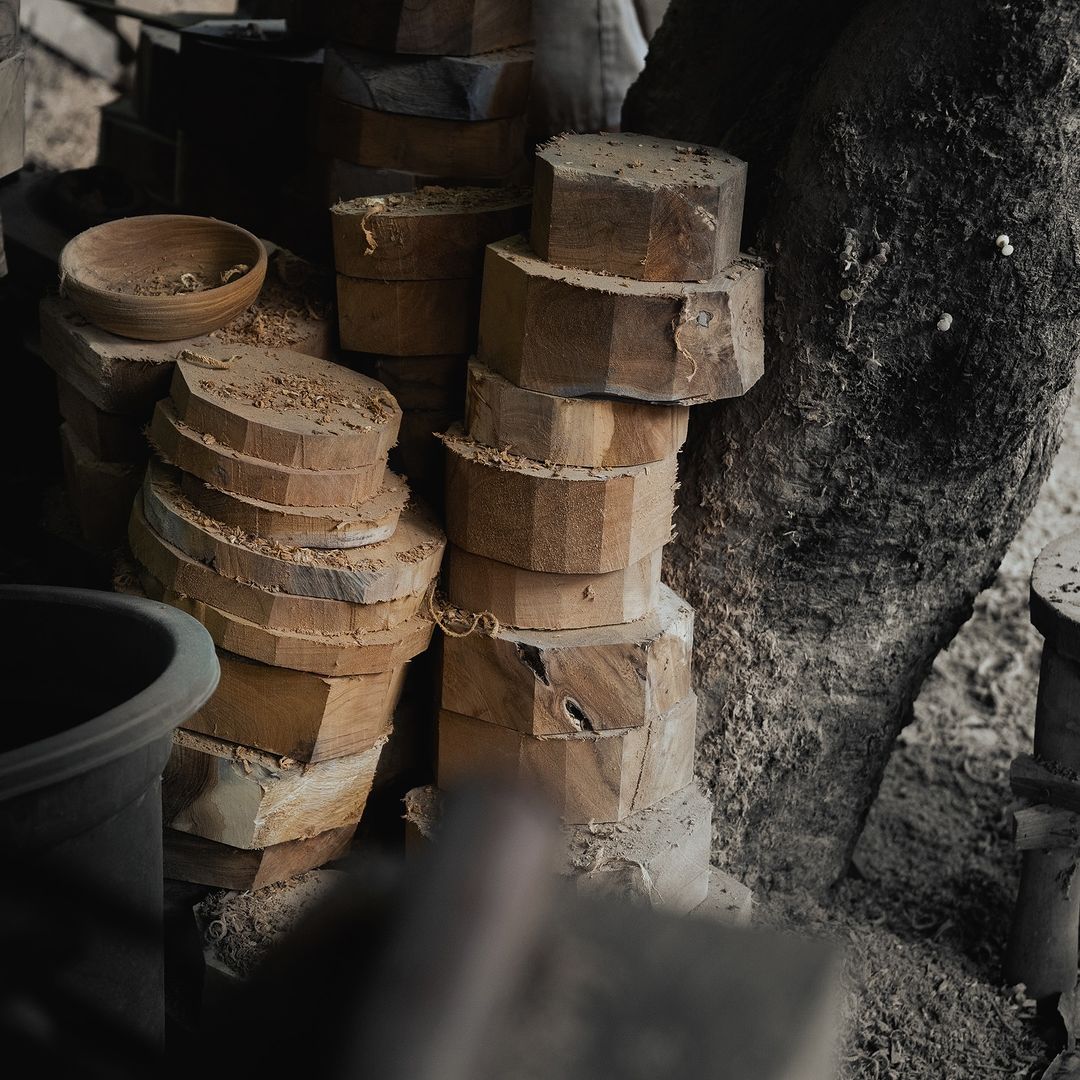
Sustainable
Our process begins with responsibly sourced timber and reclaimed logs, carefully cut into smaller blocks. Through expert craftsmanship, these blocks are transformed into beautiful boards, each piece telling the story of sustainability and an artisans craft.
What ARTSN Customers are saying
It’s a beautiful board, so displaying on my countertop makes it super convenient to use. It washes perfectly and I dry it straight away. No visible cut marks after a few weeks. My only complaint is that the board rocks and wobbles a bit when flat on the counter, like it’s warped.
This is just the best board not only is well crafted and super stylish the finish is amazing, so fantastic to use .
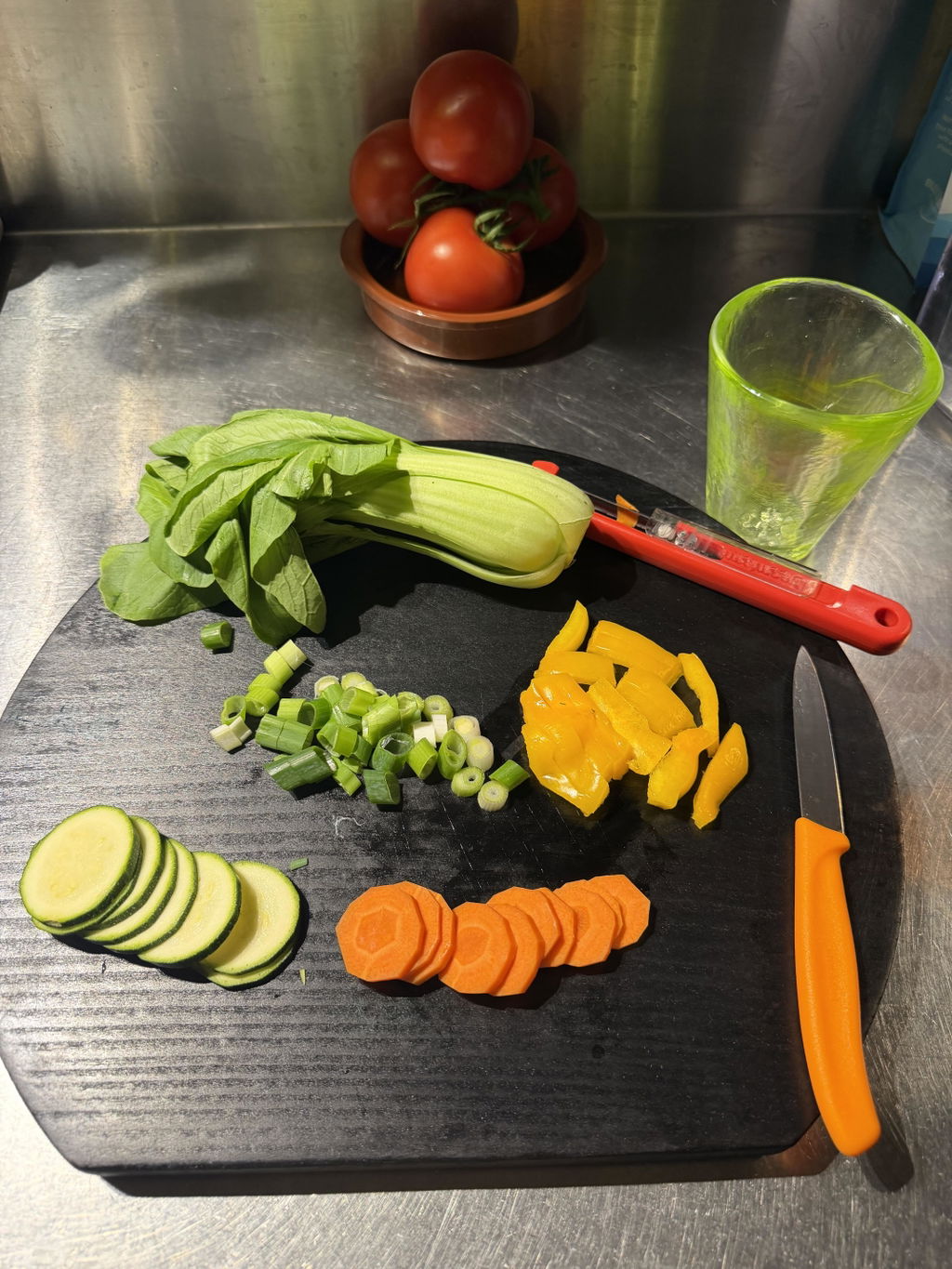
Exceeded expectations! I was worried it would mark easily but it really is the best chopping board I’ve found! So good I got myself another one. A fussy chopper here and I will look no further!
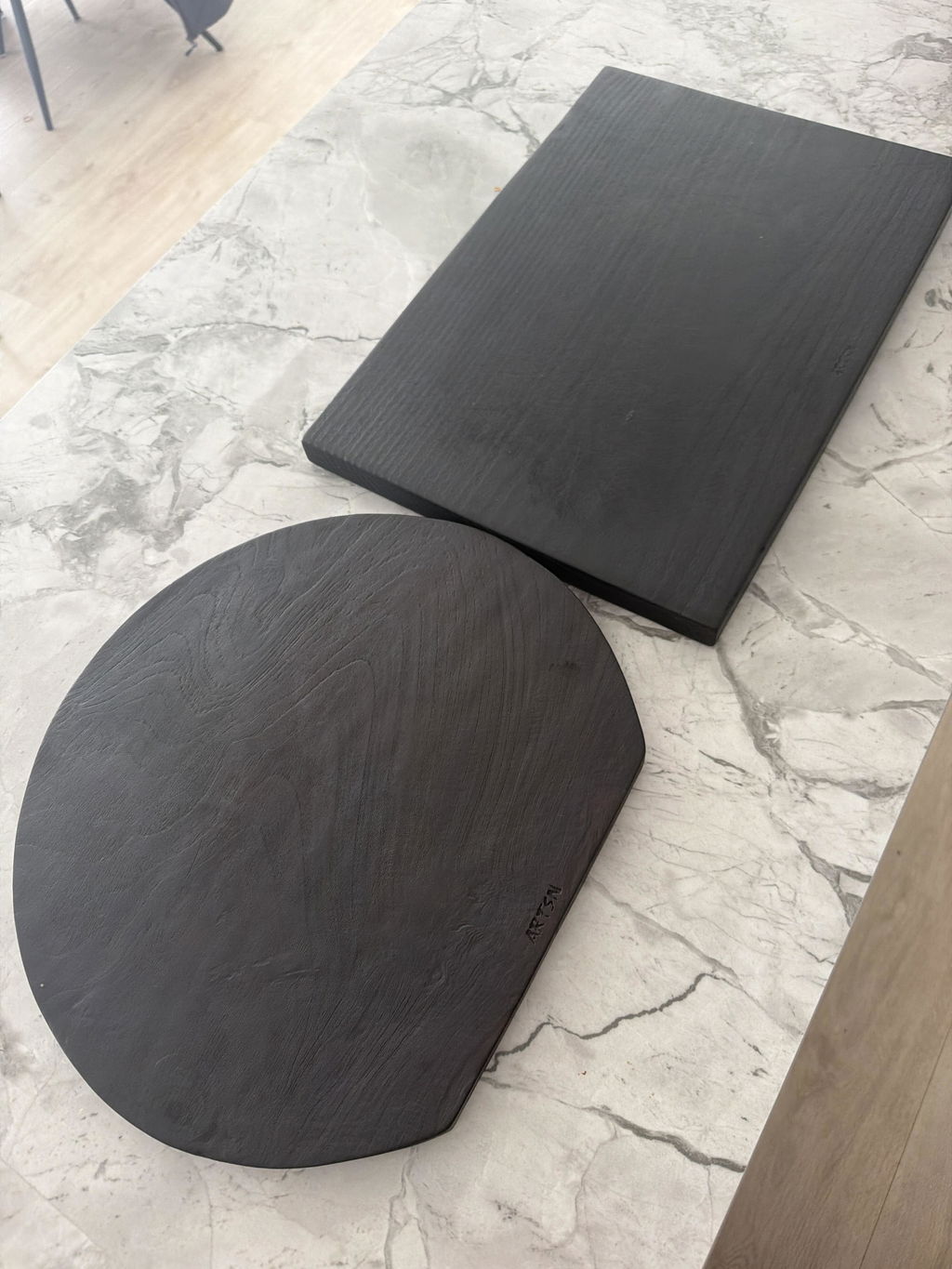
Our Artisan cutting board is waiting for its new kitchen. We love it - practical & beautiful - will be used as a charcuterie/ cheese board for many years.
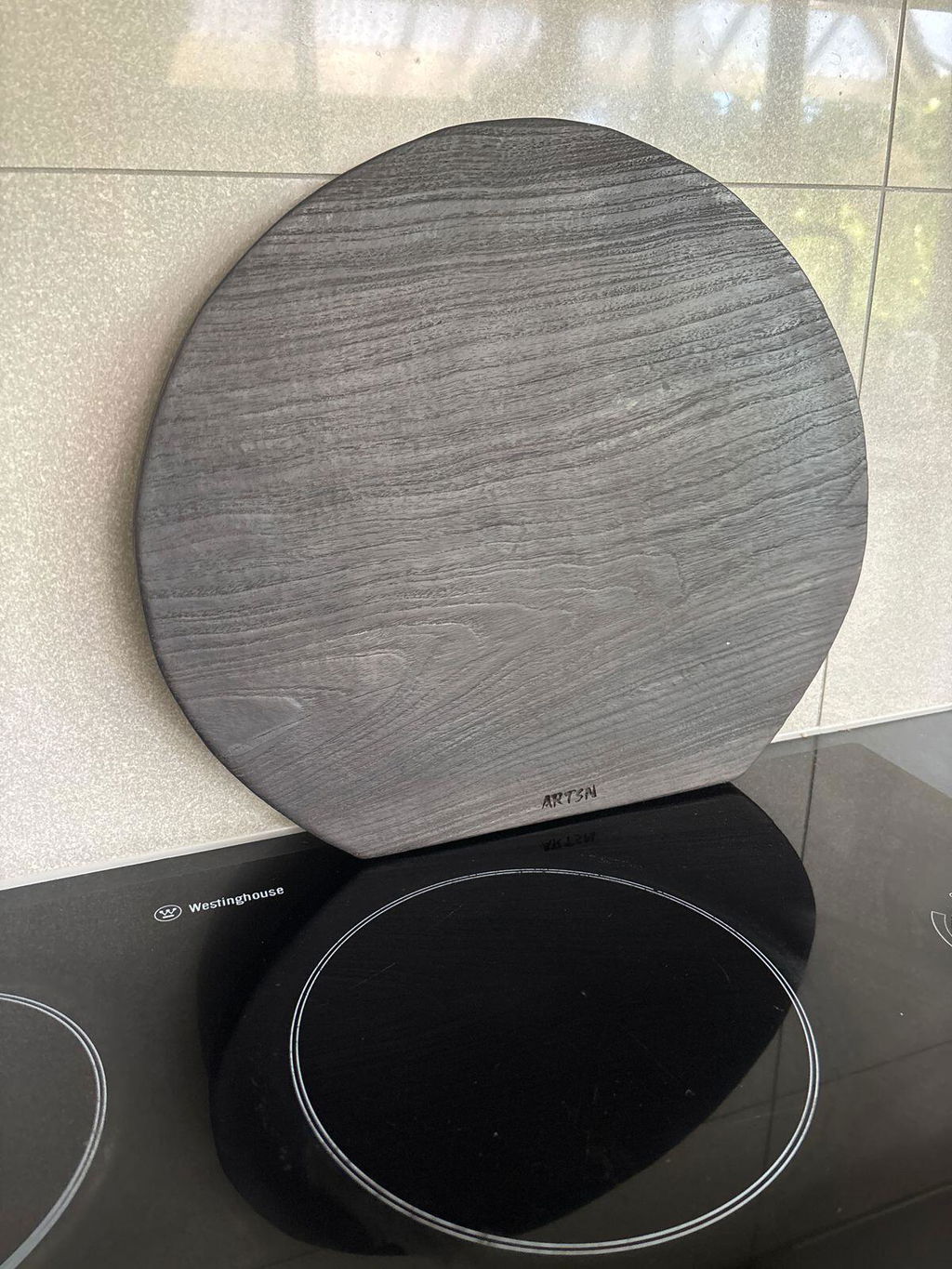
Charcuterie on charred black - that's a striking spread. Thanks Leanne.
I was attracted by the shape of the board. Added to it, I liked the fact that it's keeping an age old craft alive and it's made in Australia. I have for now used it as a display for my house decor but would probably use it for entertaining as well.
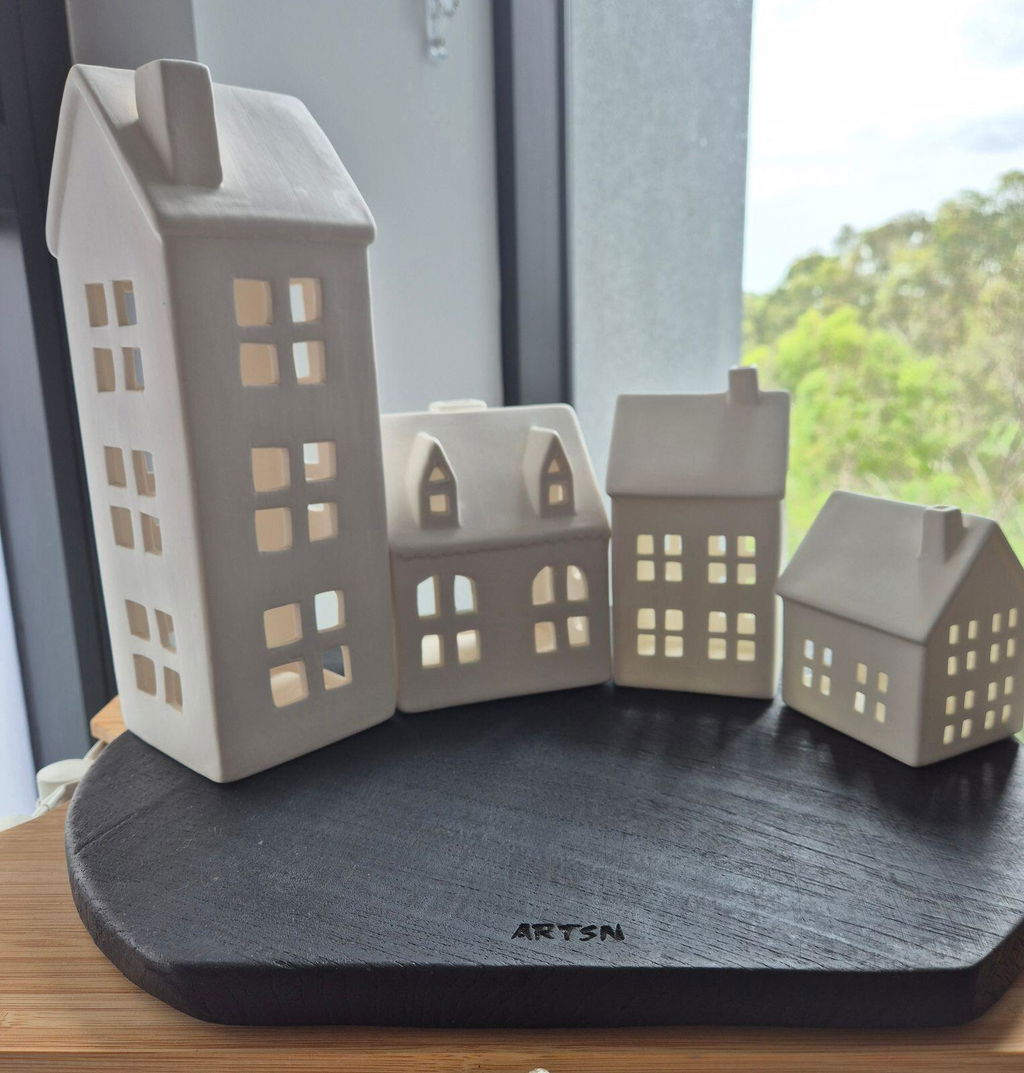
On display is exactly where it belongs. Thanks Theresa.
A truly magnificent board - unique and beautifully made. Arrived promptly and well packaged. Thoroughly recommend 👍
Thank you so much Penny, those are some very nice words of you to share =)
Love it, it is the perfect size, and it cleans beautifully, very well made.
absolutely beautiful board
definitely five stars 🖤
Super impressed so far. So easy to clean and the knife marks are minimal even though my knives are super sharp. Loving this board so far, fantastic product .
Incredible Boards! I've never been happier with a cutting board, I have ours out on display. Also doubles as a stunning cheese serving board. The water runs straight off and is very easy to clean. Love love love!
On display and doubling as a cheese board - that's exactly how it should be used. Thanks Natali.
This is a really nice board. Surprisingly light weight and easy to use. Perfect finish. Will age beautifully. This company makes beautiful products and is very easy to work with. Highly recommended.
The weight tells you it's real. Glad it lands that way. Thanks Alex.
Great board all around
Thank you Alexander.
My Artsn board is absolutely stunning! The black really bring out the grain and makes it a real piece of art.
I’m so looking forward to using this board and watching how it grows character with use.
Really glad you love it Felicity. Thank you.
Jake is great responding to questions about how to best use the boards. He responded immediately to my questions which was great.
Really glad you love it Catherine. Thank you.
I just love mine, I have 3 boards and they are functional and look great on my benches. I highly recommend them.
Really glad you love it Kerry. Thank you.
Love the board. I chop in it and serve on it. It’s perfect.
Thank you Ronnie.
Food Art 34
Cutting Boards
There’s a cutting board in every kitchen, or should be. Holding fruit in your hand to peel it is OK. Holding fruit or anything else in your hand to cut it, is not OK, ever.
What to look for in a good cutting board? First and foremost is knife friendliness, most popular boards meet that standard with the outrageous exception of titanium cutting boards. Second, comes food safety and hygiene. Commercial kitchen favor color-coded polyethylene (HDPE) boards and/or rubber boards, best for heavy use and messy tasks. Far more esthetic and pricier, are end-grain maple wood boards and charred boards. Third criteria, is weight and stability. Good boards don’t slide. Others should rest on a wetted towel. Finally, size, at least 12 inches.
That leaves us with some favorites: Wood-laminated cutting boards by, John Boos (pictured below), and by Boardsmith. are the gold standard for home kitchens. They meet every criterion for serious cutting and butchering. They’re beautiful, durable, big or small, heavy. and expensive. But a must-have splurge, if you’re buying. Also shown is a quite heavy Japanese wooden board, charred black by some ancient process called yakisugi, marketed by Artsn, an Australian company. I really like it, so far. The board at the top, by Epicurean, is a paper-composite board, less popular today, but still great for salad building, sandwich construction, and as a serving board.
So, for price and function go polyethylene or rubber. For quality, class and bragging rights go
John Boos, Boardsmith, or Artsn.
Coming back for more is the best kind of feedback. Thanks Charles.
Loving these glorious black boards - so good for entertaining, absolutely stylish to look at, comes in beautiful box for gifting, and all round Japanese beauty.
Really glad it landed well as a gift. Thanks Fenella.
This board is so beautiful, it is almost a shame to use it to cut vegetables, but it will definitely be doing double duty as a cutting board and as a serving platter.
It has pride of place in our kitchen!
On display is exactly where it belongs. Thanks Vicky.
This is an absolutely beautiful board. If you appreciate any handcrafts, you will love owning this board. The color is a deep rich pool of blackness with irregular motions, little bumps and valleys flowing across the surface. I originally bought this to use as a daily cutting board, but the beauty is so outstanding, I am afraid to harm it with a sharp knife. LOL! So, for now, I have it displayed on my wall unit. Maybe one day I will break down and actually use it.
On display is exactly where it belongs. Thanks Nancy.
Bought this as have been looking for a non-plastic replacement. I love the look of this board. But the true hero is the weight! It is not excessively heavy. This makes it so versatile- can use like a traditional chopping board and transition to a gorgeous serving platter which is easy to hand around. Love it!
No more plastic - and no regrets. That's exactly why we make these. Thanks Fiona.
Right now it’s on my counter looking good.
I might be able to actually use it eventually!
Really glad you love it Renee. Thank you.
A lovely board to use and present food on
Thank you Joanne.
My board is just right, I had seen my daughters board and just had to have one. I leave it out on the bench and it looks good. The order arrived so quickly, I was rather surprised. So thank you again.
Really glad you love it Rae. Thank you.
Wonderful
Thank you Darren.
Love it just have to look after it
Thanks Sam! Yes, shou sugi ban definitely rewards a bit of extra care. So glad you're loving it though!
Board exceeds my expectations. Love the finish.- first cutting board I'm leaving out on my counter because it's so beautiful. TY
Thanks so much Debbie! So happy you're loving it and that it's earned a permanent spot on your counter!
Love the uniqueness of the hand crafted board!
Thank you Joyita.